FIA Reveals 2026 Formula 1 Regulations:
Formula 1’s long-awaited regulatory overhaul for 2026 and beyond has officially been unveiled by the FIA, promising a new generation of race cars that are lighter, more agile, safer, and geared toward a more sustainable future. The announcement marks one of the biggest technical resets in modern F1 history — and the ripple effects for teams, manufacturers, and global motorsport interest are expected to be massive.
For fans, punters, and motorsport followers in South Africa and across the world, the 2026 shift signals a refreshed competitive landscape that could shake up the established order.
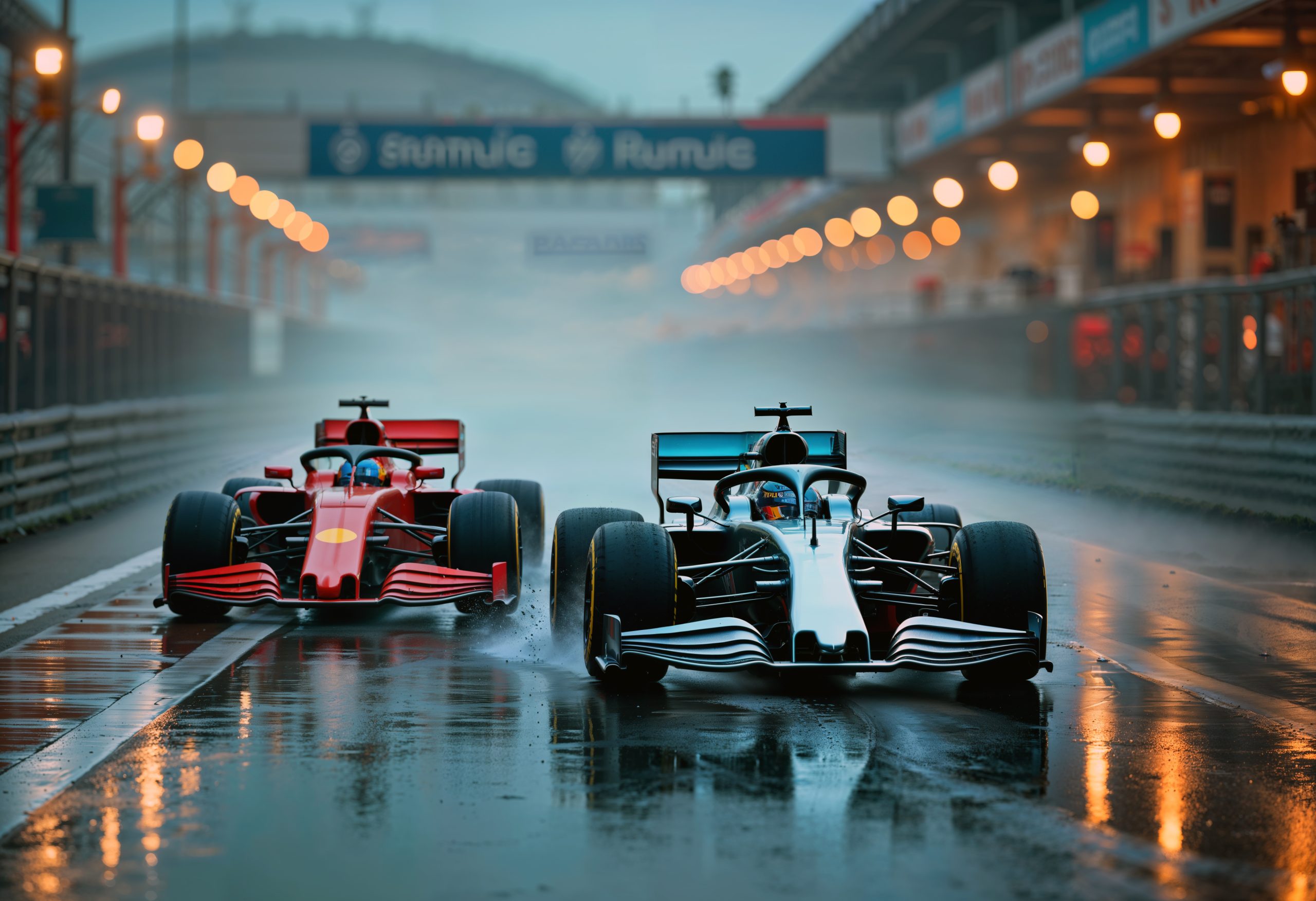
The FIA’s Vision: A Formula 1 Car Built for Closer Combat.
The core goal behind the 2026 rule changes is simple: faster, cleaner, and more competitive racing.
According to FIA Single-Seater Technical Director Nikolas Tombazis, the new package is engineered to capture “the DNA of Formula 1” — machines that are light, extremely fast, and challenging enough to let drivers skill make the big difference.
Key performance changes include:
- 30kg lighter cars, bringing the new minimum weight to 768kg
- A 50/50 power split between combustion and electric systems
- Active aerodynamics via movable front and rear wings
- New Manual Override system giving drivers a tactical burst of battery power
- Stricter safety structures and tougher crash tests
Tombazis said the aim was to produce cars that feel more dynamic and allow for consistent wheel-to-wheel battles while remaining at the forefront of modern technology and sustainability.
A Revolution in Power: More Electric Muscle and Fuel Sustainability.
The biggest shift comes under the engine cover. While the internal combustion engine will deliver less power than before, the electrical element skyrockets from 120kW to 350kW — nearly tripling the current output.
Regen capacity during braking is also doubled, allowing up to 8.5 MJ of energy recovery per lap.
These changes have sparked newfound interest among manufacturers. The FIA confirms a record six power unit suppliers for 2026:
- Ferrari
- Mercedes
- Renault
- Honda (returning to F1)
- Audi (joining the grid for the first time)
- Ford (partnering with Red Bull Powertrains)
For F1 enthusiasts in SA — where brand loyalty and team dynasties often influence sporting engagement — this expanded roster adds a new layer of intrigue.
The 2026 engines will also run on advanced sustainable fuels, supporting Formula 1’s Net Zero Carbon 2030 target.
A New Shape for the F1 Car: Smaller, Shorter, and Built to Turn.
To boost agility and improve racing quality, chassis dimensions have been trimmed:
- Wheelbase reduced by 200mm
- Width reduced by 100mm
- Downforce cut by 30%
- Drag reduced by a massive 55%
Tyres remain 18-inch Pirellis, but are narrower at both the front and rear, further reducing weight and rolling resistance.
The 2026 car moves away from the bulky, heavy machines of recent seasons and returns to a faster, more agile, direction-changing profile reminiscent of early 2010s F1.
F1’s Biggest Aerodynamic Innovation.
For the first time, Formula 1 will adopt a fully switchable aerodynamic system.
Cars will alternate between:
- A high-downforce configuration for cornering performance
- A low-drag mode, for straight-line speed and efficiency
This replaces and expands on the current DRS system. The FIA plans to implement designated activation zones, offering drivers more opportunities to attack — which could dramatically influence how races unfold.
More Focus on Safety.
The 2026 regulations introduce:
- A revised front crash structure designed to stay intact during initial contact
- Improved side intrusion protection
- Enhanced safety reinforcement around the cockpit and fuel cell
After several years of high-profile crashes across world motorsport, safety remains a top priority for the FIA.
Sustainability is at the Forefront.
Formula 1 is pushing aggressively toward its 2030 carbon-neutral goal. The new regulations will include:
- Engines that will run exclusively on advanced sustainable fuels
- Electrical power will make up 50% of total output
- Cars are designed to be more energy-efficient overall
FIA President Mohammed Ben Sulayem says these changes create a format that is more relevant to global automotive trends while keeping F1 at motorsport’s technical cutting edge.
What This Means for F1.
With lighter cars, more electrification, upgraded safety, and a new engine suppliers joining the grid, Formula 1 is setting up one of the most anticipated competitive resets in decades.
From a betting-industry perspective:
- Team performance forecasts will be more unpredictable
- Power shifts between manufacturers are likely
- Driver adaptability and skill will play a greater role
- Major interest from global automakers signals strong long-term stability for the championship
South African fans, many of whom follow F1 passionately, can expect a fresh era of racing defined by speed, innovation, and tougher battles on the track.
The countdown to 2026 has truly begun.

Sibusiso loves all things sport and has been writing and living the game for the last ten years. Sibo can be found at his local when Liverpool or Pirates plays a match. He brings deep insights into upcoming football or rugby matches.